The word “artisan” on Amazon means almost nothing. It’s been applied to ceramics that came out of the same factory mould as the ones in the listing above and below it. Here’s what I look for instead.
What I’m looking for in a ceramic for a dark interior is fairly specific. Unglazed or lightly glazed surfaces that show the clay body. Slightly irregular forms — not perfectly symmetrical. Tonal variation in the glaze: a piece that’s lighter at the rim and darker at the base. Colours in the grey-blue, slate, ash, or dark moss range. These things are findable on Amazon; they just require knowing where to look.
How to read a ceramics listing honestly
The photography is your primary diagnostic. Good ceramics listings show the piece in multiple light conditions — at least one image in natural daylight, ideally one in shadow. You should be able to see whether the surface is matte or has a slight sheen, whether the glaze breaks at the edges, whether there’s genuine variation between pieces shown.
Read the material description carefully. Stoneware is fired at higher temperatures and tends to be denser, which matters for both function and the quality of the finished surface. If the listing doesn’t specify the firing temperature, it’s often an indicator that the manufacturer doesn’t consider it a selling point.
Finally: the reviews with photos. Not the five-star reviews — look at the three and four stars, which tend to come with real images of the product in people’s actual homes.
Matte Stoneware Mugs — Charcoal or Slate Glaze
Mugs are the lowest-risk entry point. Smaller investment, easier to return if the colour isn’t right. Look for a matte or satin glaze rather than high gloss — the matte surface reads as craft in a way that gloss doesn’t, regardless of how the piece was made.
Reactive Glaze Bowls — Dark Tones
Reactive glaze produces tonal variation during firing — pieces come out of the kiln with slightly different surface characters. Genuine reactive glazes show variation on interior surfaces too. Simulated variation is typically only on the exterior, where it shows.
Stoneware Vase or Bud Vase — Matte Finish
A single ceramic vessel on a shelf does more visual work than almost any other object in a room. The silhouette matters: slightly irregular, slightly asymmetric, with weight at the base rather than the top. In dark grey, ash blue, or unglazed terracotta.
Where Amazon falls short
For individual handmade pieces with real variation, Etsy is a better source. Independent ceramicists who sell there produce work with genuine character. The price is higher. But if you’re putting something on a shelf in a room you spend real time in, the difference in presence between a genuinely handmade piece and a mass-produced approximation is worth it.
This post contains affiliate links. If you buy through these links, I earn a small commission at no extra cost to you. I only link things I'd actually consider.
From the shop
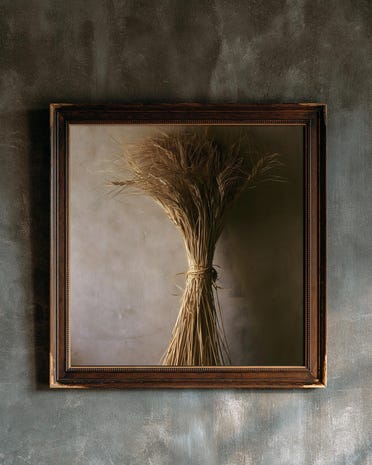
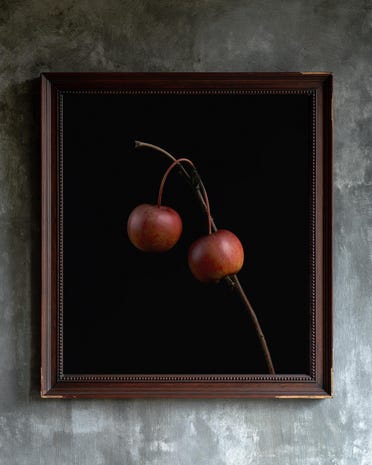
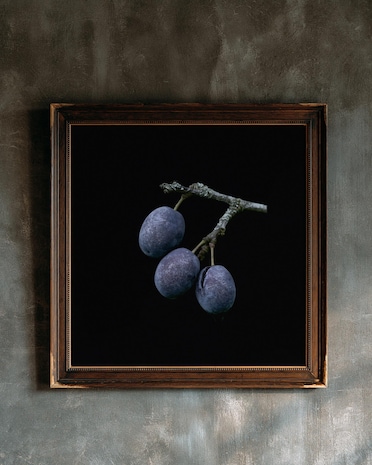
Prints from our own Duskwood Fell shop that suit this room. Instant digital downloads, printed at home or at any print shop.