There is a quality that certain rooms have that is almost impossible to manufacture deliberately. The sense that the room has been lived in across time. That the objects in it arrived at different points, for different reasons, and stayed.
You cannot buy this quality in a single afternoon. But you can begin to build it, and it starts with understanding which objects carry age well and which ones don’t.
Cast iron. A seasoned skillet or a Dutch oven that has been used regularly develops a surface that is genuinely beautiful — dark, smooth in the places that have seen the most heat, with a patina that took years to build. It is one of the few kitchen objects that looks better at twenty years than it did at zero.
Unglazed ceramic. Stoneware crocks, earthenware jugs, vessels with visible throwing marks and uneven rims. These objects look like they were made by a person rather than a machine, because they were. They age gracefully — small chips at the rim become part of their character rather than evidence of damage.
Worn textile. A wool blanket that has been washed so many times the nap has softened. Linen that has lost its stiffness. These textiles tell time through their texture. They are the opposite of the crisp, the new, the unwashed.
Dark wood with visible use. A table with knife scores. A bench with a pale worn stripe where people have sat for years. A floor with a scuff path between the door and the window. Wood that has been used records that use on its surface, and the record is what gives it gravity.
A single object with an unknown history. A key without a lock. A ceramic vessel with a mark you don’t recognise. An object that raises a question it cannot answer. These are the objects that make a room feel like it contains more than you can see.
None of these objects needs to be expensive. Most of them should not be. The sense of history comes from time and use, not from price. A cast iron pan from a charity shop with forty years of seasoning on it is worth more to a room than a new one that has never been lit.
From the shop
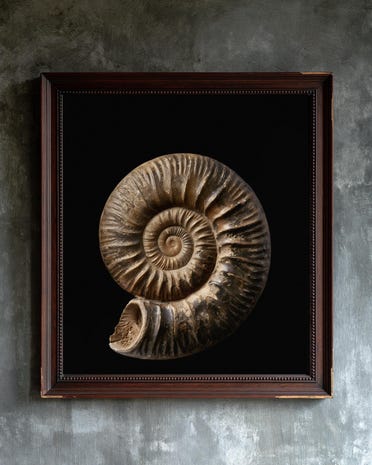
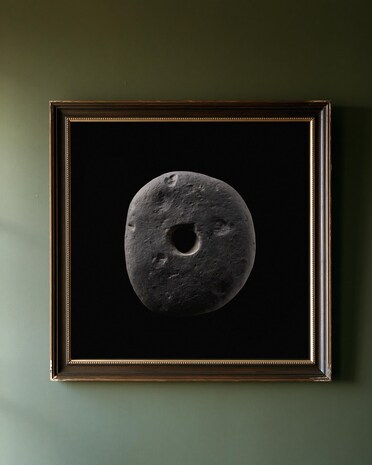
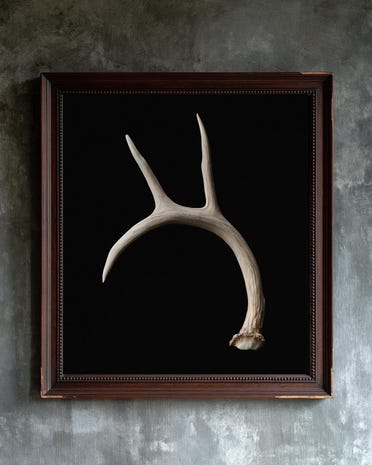
Prints from our own Duskwood Fell shop that suit this room. Instant digital downloads, printed at home or at any print shop.